SI11 การอนุรักษ์: พืชและสัตว์เฉพาะถิ่น และสัตว์ป่า แหล่งทรัพยากรพันธุกรรมด้านอาหารและการเกษตรที่ปลอดภัยทั้งในระยะกลางและระยะยาว
(Conservation: plant (flora), animal (fauna), and wildlife, genetic resources for food and agriculture secured in either medium or long-term conservation facilities)
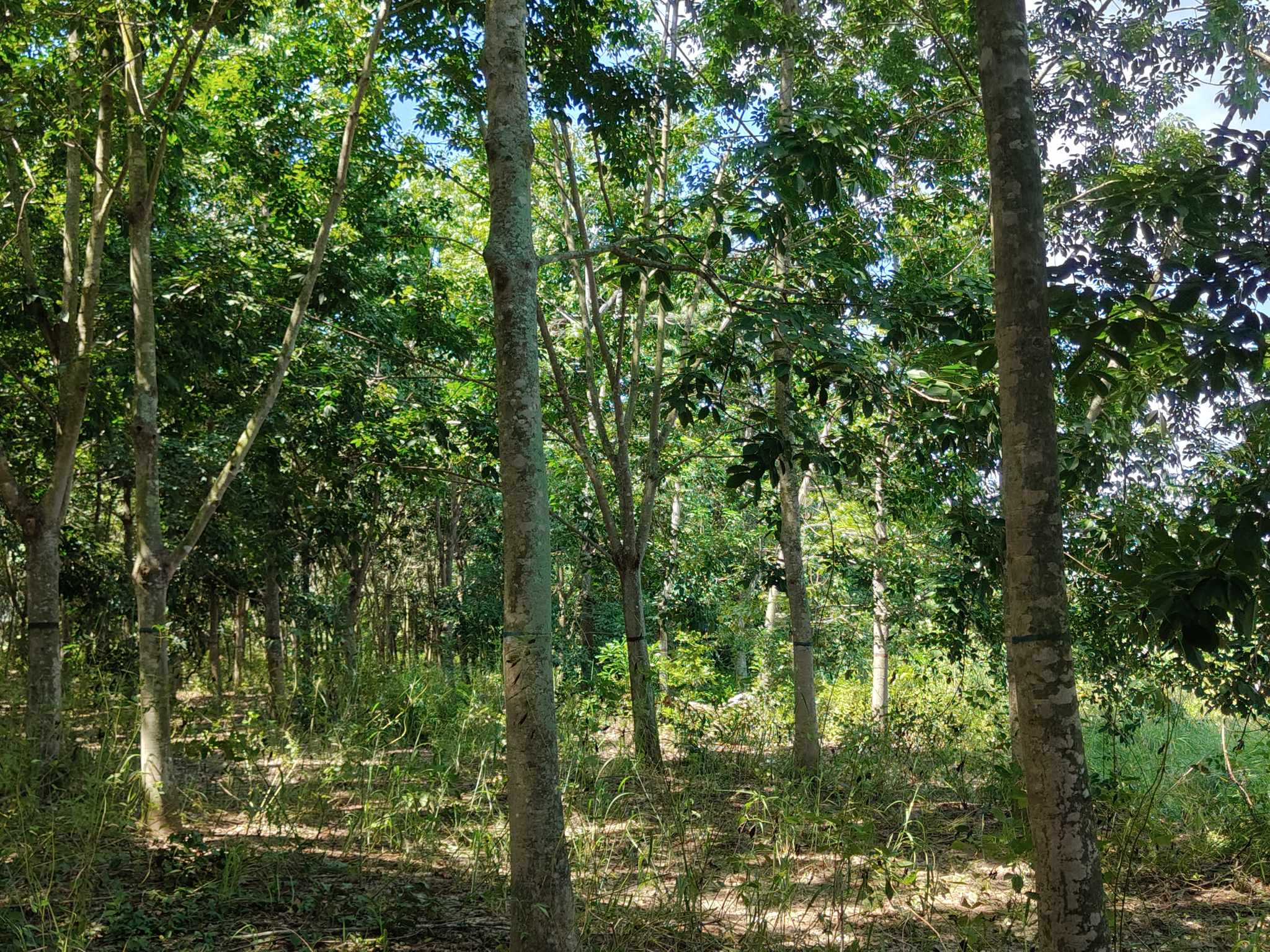
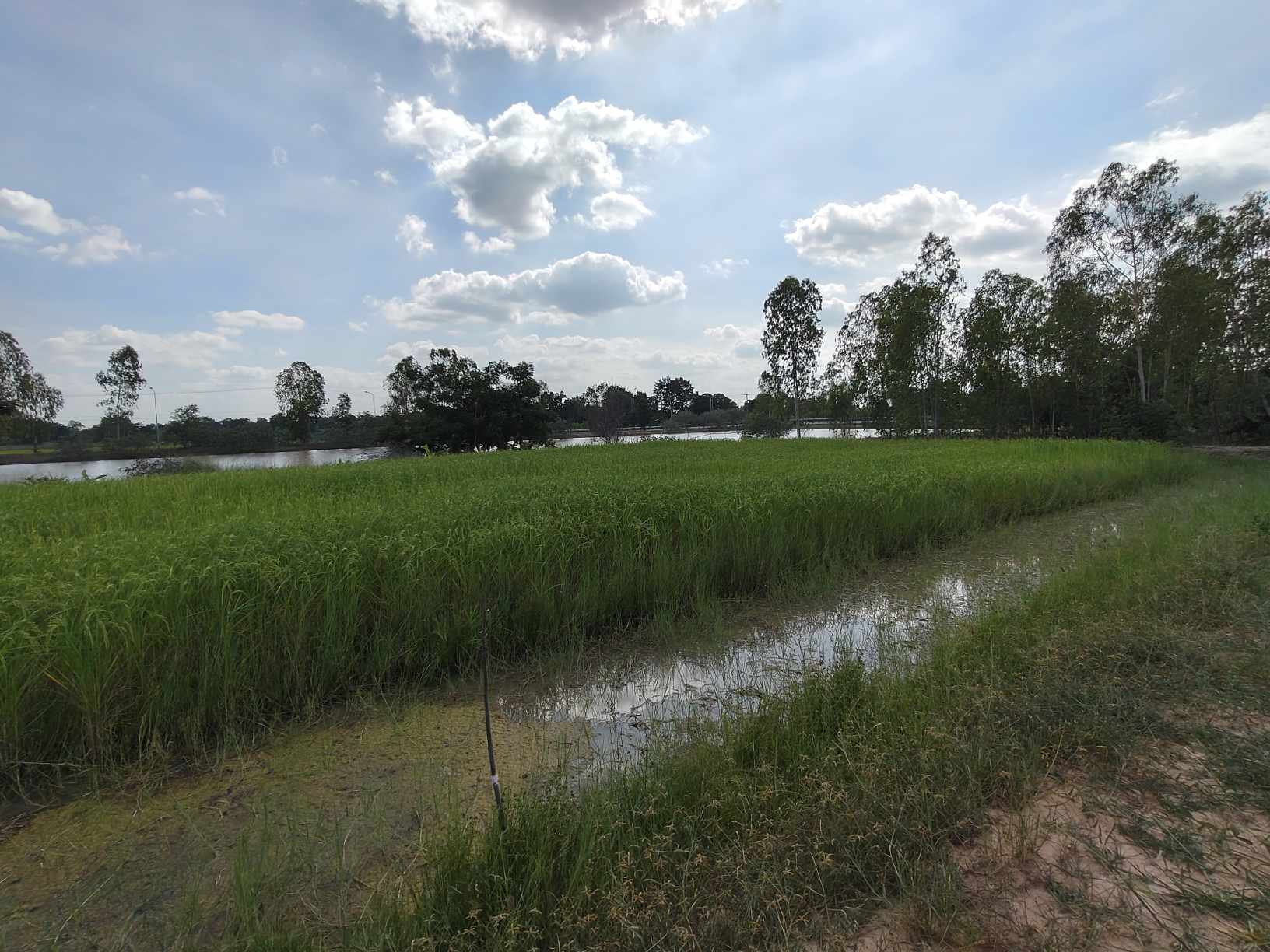
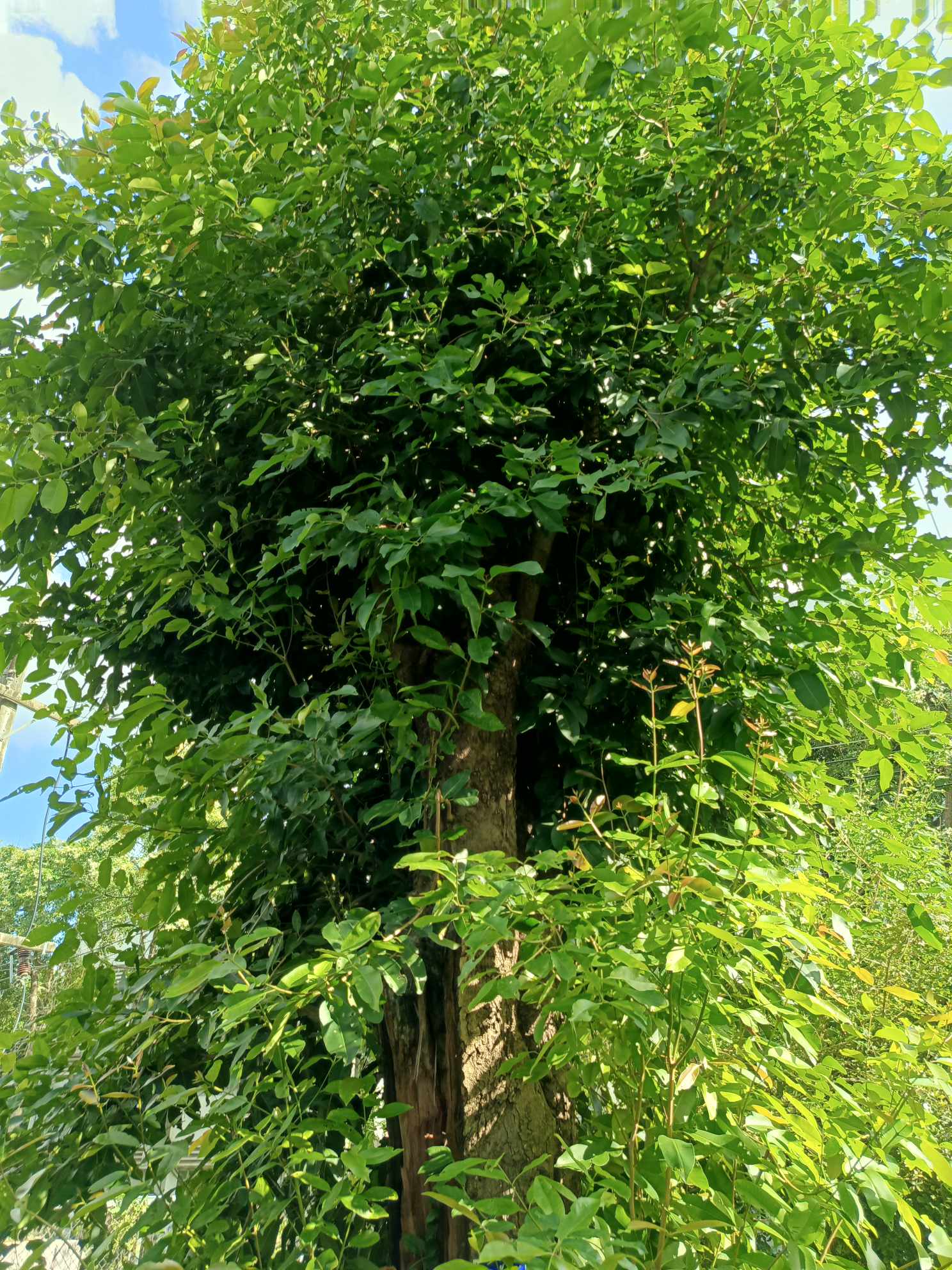
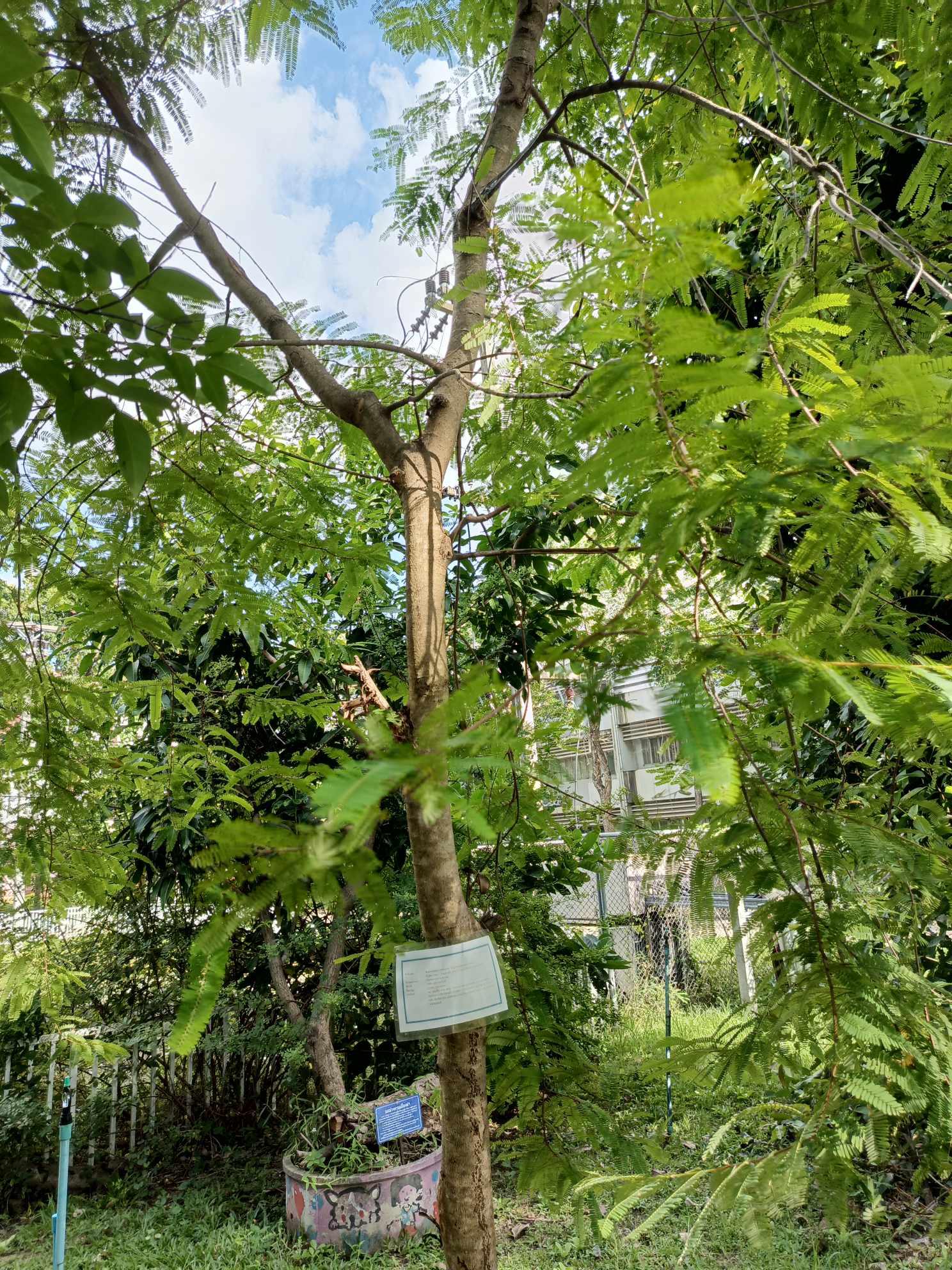
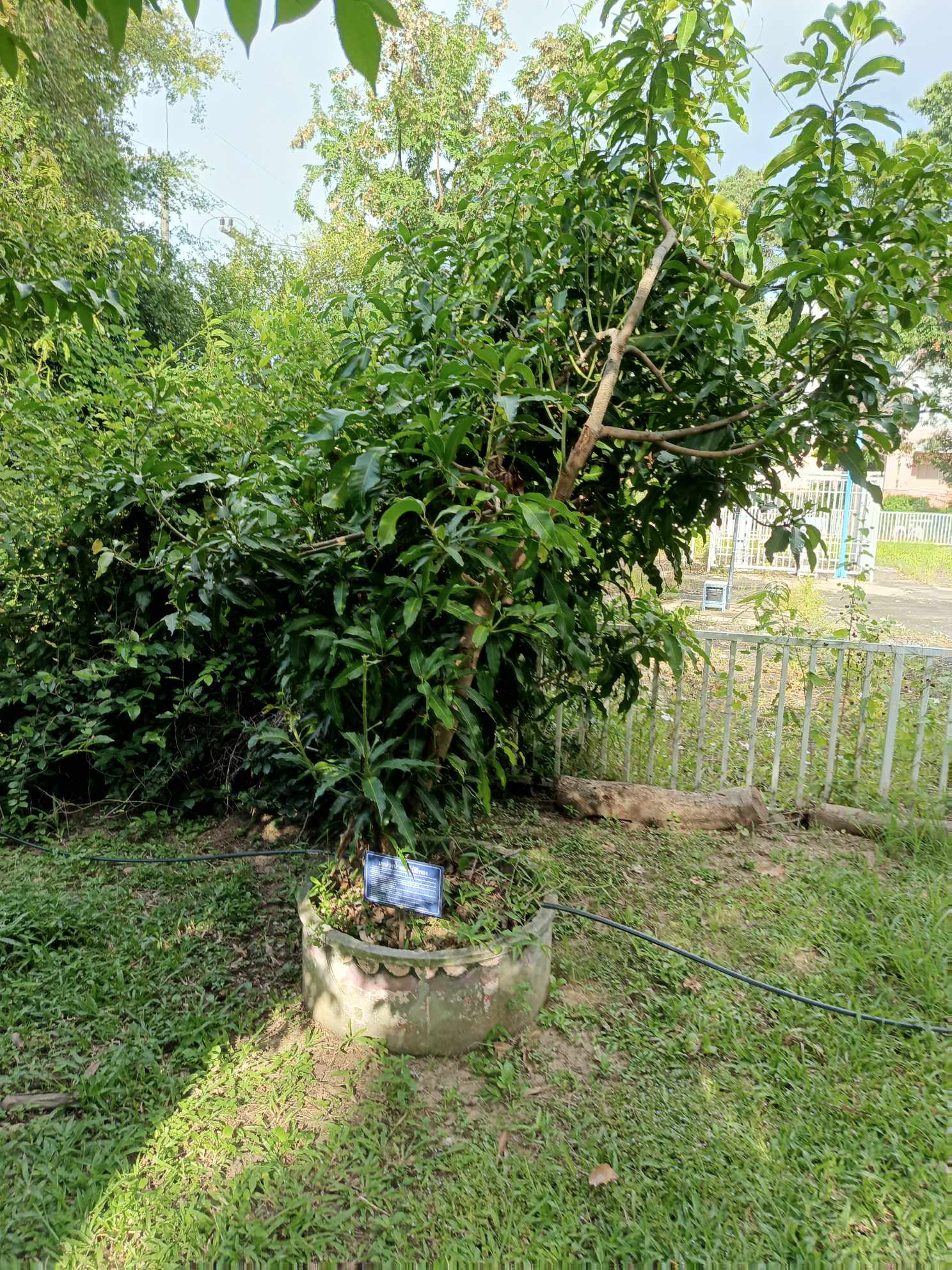
มหาวิทยาลัยราชภัฏบุรีรัมย์ ได้สนับสนุนและส่งเสริมการอนุรักษ์: พืชและสัตว์เฉพาะถิ่น และสัตว์ป่า แหล่งทรัพยากรพันธุกรรมด้านอาหารและการเกษตรที่ปลอดภัยทั้งในระยะกลางและระยะยาว โดยมีการจัดตั้งวิทยาเขต ศูนย์บริการการศึกษา หนองขวาง และ ศูนย์การเรียนรู้ปะคำตามหลักปรัชญาของเศรษฐกิจพอเพียง อำเภอปะคำ เพื่อเป็นแหล่งอนุรักษ์พืชและสัตว์ โดยมีการอนุรักษ์พันธ์ปลาท้องถิ่น ได้แก่ ปลาตะเพียน ปลานิล ปลาดุก ปลากดเหลือง นอกจากนี้ยังมีการเลี้ยงไก่ เป็ด โค และแพะในวิทยาเขตอีกด้วย นอกจากนี้ยังมีการจัดตั้งโครงการอนุรักษ์พันธุกรรมพืชอันเนื่องมาจากพระราชดำริสมเด็จพระเทพรัตนราชสุดาฯ สยามบรมราชกุมารี โดยมีการปลูก ต้นยางนา ต้นสัก ไม้แดง ประดู่ ไม้ พยุงและยางพารา นอกจากนี้มหาวิทยาลัยยังได้จัดสรรพื้นที่ จำนวน 800 ไร่ให้กับชุมชนเพื่อใช้เป็นพื้นที่ในการทำการเกษตรและปลูกพืชไว้สำหรับบริโภคและส่งขายภายในชุมชน โดยพืชที่นิยมปลูกเป็นประเภทผักสวนครัว อาทิเช่น พริก โหระพา มะเขือเทศ บวบ มะละกอ นอกจากนี้ยังมีการปลูกแตงโม ข้าวโพด เสาวรส ดอกดาวเรือง และดอกดาวกระจายอีกด้วย
Buriram Rajabhat University supports and promotes the conservation of local flora and fauna, as well as wildlife, along with safe food and agricultural genetic resources for both the medium and long term. The university has established the Nong Kwang Education Service Center and the Learning Center in Pakham, (the philosophy of sufficiency economy), to serve as conservation sites for plants and animals. The conservation efforts include preserving local fish species such as carp, tilapia, catfish, and yellow catfish. Additionally, the campus raises chickens, ducks, cows, and goats. The university has also initiated a plant genetic conservation project inspired by Her Royal Highness Princess Maha Chakri Sirindhorn, which involves planting rubber trees, teak, redwood, rosewood, Phayung wood, and rubber trees. Furthermore, the university has allocated 800 rai of land to the community for agricultural use, allowing residents to grow crops for consumption and sale within the community. Popularly cultivated vegetables include chili, basil, tomatoes, gourds, and papayas, along with watermelon, corn, passion fruit, marigolds, and cosmos flowers.
ภาพประกอบ